Duplex board is one of the most widely used paperboard materials for printed packaging. It is commonly used for pharmaceutical cartons, cosmetic boxes, cake boxes, FMCG packaging, garment boxes, food packaging and other retail cartons.
However, choosing the right duplex board is not as simple as selecting a GSM and comparing the price per kilogram.
Two boards with the same GSM can perform differently because of differences in caliper, bulk, stiffness, moisture, coating, surface quality and fibre structure.
In this guide, we will explain duplex board specifications, types, applications and the important factors buyers should check before purchasing.
What Is Duplex Board?
Duplex board is a multi-layer paperboard manufactured for packaging and printing applications.
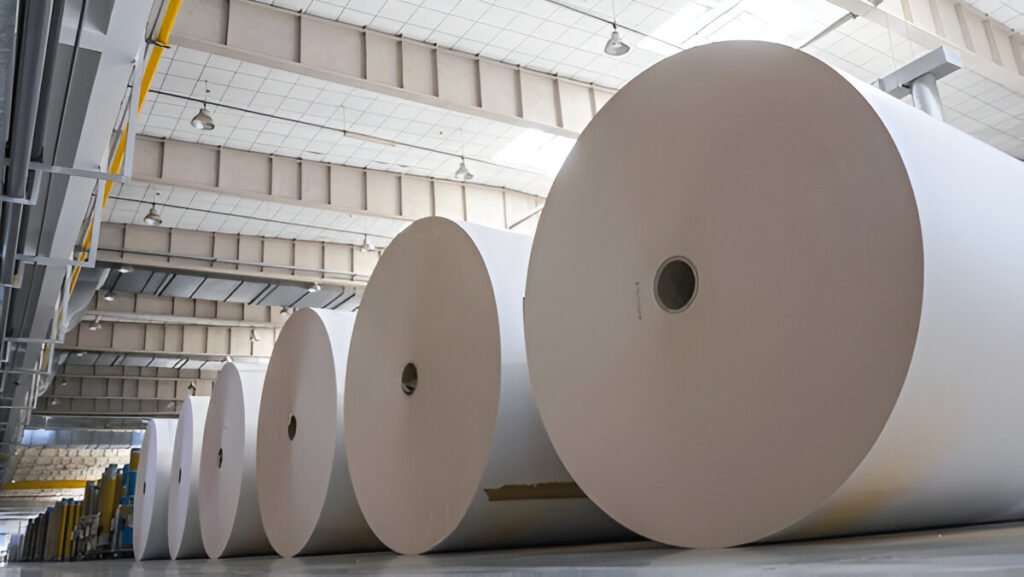
Depending on the grade and manufacturing process, different layers can provide a combination of:
- Printability
- Stiffness
- Thickness
- Surface smoothness
- Strength
- Folding performance
- Converting performance
Duplex board is available in different GSM ranges, surface finishes and back-side colours.
The exact construction and performance can vary from one mill or grade to another. Therefore, buyers should always compare the technical specification rather than relying only on the product name.
Where Is Duplex Board Used?
Duplex board is commonly used for a wide range of packaging products.

Common applications include:
- Pharmaceutical cartons
- Cosmetic boxes
- Cake boxes
- Sweet boxes
- FMCG mono cartons
- Food packaging
- Garment boxes
- Stationery packaging
- Consumer product boxes
- Retail packaging
The ideal board specification depends on the application.
For example, a pharmaceutical carton may require excellent printability, folding and dimensional stability, while a cosmetic box may place greater importance on surface appearance and finishing compatibility.
What Is GSM in Duplex Board?
GSM stands for Grams per Square Metre.
It indicates the mass of paperboard per square metre.
For example, a 300 GSM board has a nominal mass of approximately 300 grams per square metre.
GSM is one of the most important specifications used to identify paperboard. However, it should not be considered a complete measure of quality.
Why?
Two 300 GSM boards can have different:
- Thickness
- Bulk
- Stiffness
- Moisture
- Surface properties
- Coating quality
- Printing performance
Therefore:
Same GSM does not necessarily mean same performance.
This is one of the most important points for duplex board buyers.
What Is Caliper or Thickness?
Caliper means the thickness of the board.
It is commonly expressed in micrometres (µm).
Thickness can influence:
- Box rigidity
- Board feel
- Folding behaviour
- Creasing
- Die cutting
- Package structure
Suppose two boards are both 300 GSM.
If one board has higher caliper and suitable bulk, it may provide a different stiffness and feel compared with another 300 GSM board.
Therefore, when comparing two boards, buyers should consider:
GSM + Caliper + Stiffness
rather than GSM alone.
What Is Bulk in Duplex Board?
Bulk describes the relationship between the board’s thickness and its basis weight.
In simple terms, bulk helps explain how thick a board is for its GSM.
A board with suitable higher bulk may provide:
- Greater thickness
- Better board feel
- Useful stiffness characteristics
without simply increasing GSM.
However, higher bulk does not automatically mean higher overall strength or better quality.
Bulk should always be evaluated together with the intended application and other technical properties.
What Is Grey Back Duplex Board?
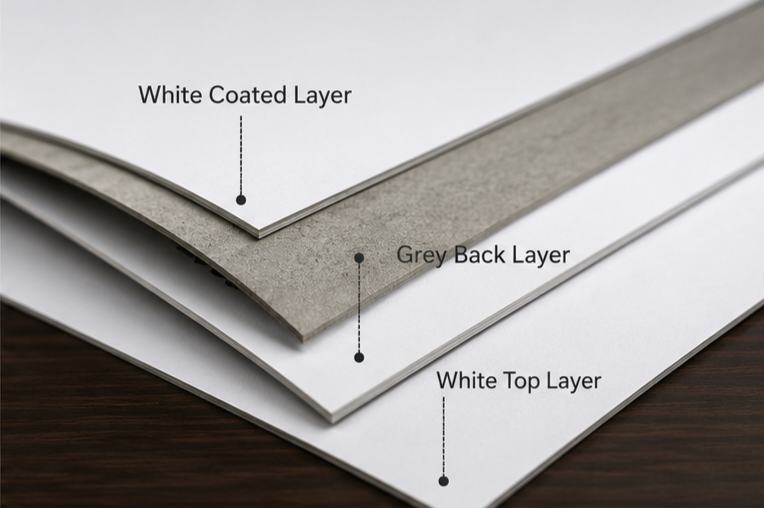
Grey Back duplex board has a grey-coloured reverse side.
It is commonly used in packaging applications where the reverse-side appearance does not require a premium white finish.
Grey Back grades can provide a practical balance between:
- Packaging performance
- Printing requirements
- Stiffness
- Cost
However, the actual performance depends on the specific mill, grade and specification.
Before purchasing Grey Back duplex board, check:
- GSM
- Caliper
- Stiffness
- Moisture
- Surface quality
- Coating
- Shade consistency
- Printing performance
What Is White Back Duplex Board?
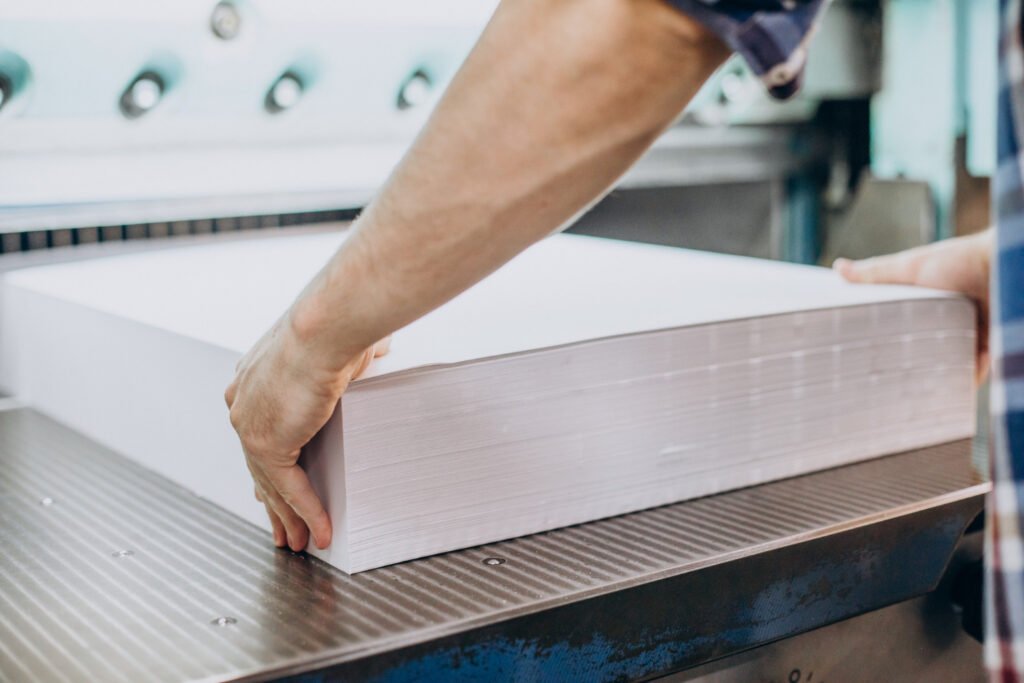
White Back duplex board has a white reverse side and is selected for applications where a cleaner or more premium reverse appearance is required.
Depending on the grade, buyers may also consider:
- Whiteness
- Brightness
- Smoothness
- Surface finish
- Coating quality
- Printing performance
- Folding performance
White Back is not automatically better than Grey Back.
The correct choice depends on the packaging application and customer specification.
Grey Back vs White Back Duplex Board
| Parameter | Grey Back | White Back |
|---|---|---|
| Reverse side | Grey | White |
| Appearance | Functional | Cleaner / premium appearance |
| Typical focus | Cost-performance balance | Appearance + performance |
| Printing | Grade dependent | Grade dependent |
| Stiffness | Grade dependent | Grade dependent |
| Quality | Specification dependent | Specification dependent |
| Best choice | Depends on application | Depends on application |
Which one should you choose?
There is no universal answer.
If the reverse side appearance is not important, Grey Back may be a practical option.
If the packaging requires a white reverse side, White Back may be more suitable.
The final decision should be based on application, specification, customer requirement and production performance.
Important Duplex Board Quality Parameters
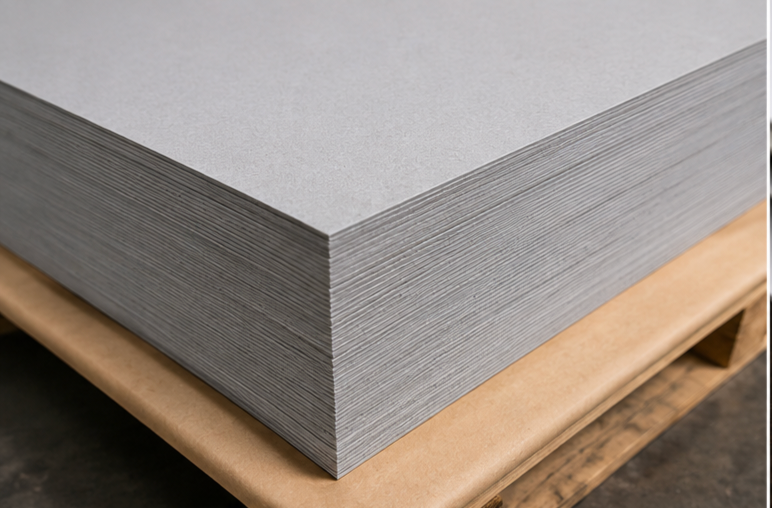
When purchasing duplex board, buyers should look beyond GSM and price.
Here are some of the most important parameters.
1. GSM
Confirms the basis weight of the board.
2. Caliper
Indicates board thickness and can influence rigidity and converting behaviour.
3. Bulk
Shows the relationship between thickness and GSM.
4. Stiffness
Indicates resistance to bending and is particularly important for box structure and feel.
5. Bursting Strength
Measures resistance to rupture under a specified test method.
6. Moisture
Moisture can influence curl, folding, dimensions, printing and machine performance.
7. Cobb Value
Cobb testing evaluates water absorption under specified test conditions.
8. Brightness and Whiteness
These optical properties influence the appearance of the printed package.
9. Smoothness
Surface smoothness can affect ink transfer and printing quality.
10. Surface Strength
Poor surface strength can increase the risk of picking during printing.
11. Coating Quality
Coating should be uniform and free from unacceptable defects such as spots, streaks and pinholes.
12. Shade Consistency
Consistent shade between lots can be important for customers producing repeated packaging designs.
Why Moisture Is Important in Duplex Board
Paperboard is sensitive to changes in moisture and environmental conditions.
Improper moisture conditions can contribute to:
- Curl
- Creasing problems
- Folding issues
- Dimensional changes
- Printing instability
- Machine feeding problems
For this reason, duplex board should be stored in a clean, dry and protected warehouse.
During the monsoon season, extra attention should be given to:
- Floor moisture
- Water leakage
- Pallet condition
- Wrapping
- Stack protection
- Sudden environmental changes
Duplex Board for Cake Boxes
Cake boxes require a combination of:
- Stiffness
- Printability
- Folding performance
- Creasing performance
- Suitable surface properties
- Appropriate moisture behaviour
The required GSM depends on the box size, construction, product load and manufacturing process.
A larger box may require a different specification from a smaller box, even when both are used for the same product.
For food-contact applications, the applicable food-contact requirements and documentation should also be verified.
Duplex Board for Pharmaceutical Cartons
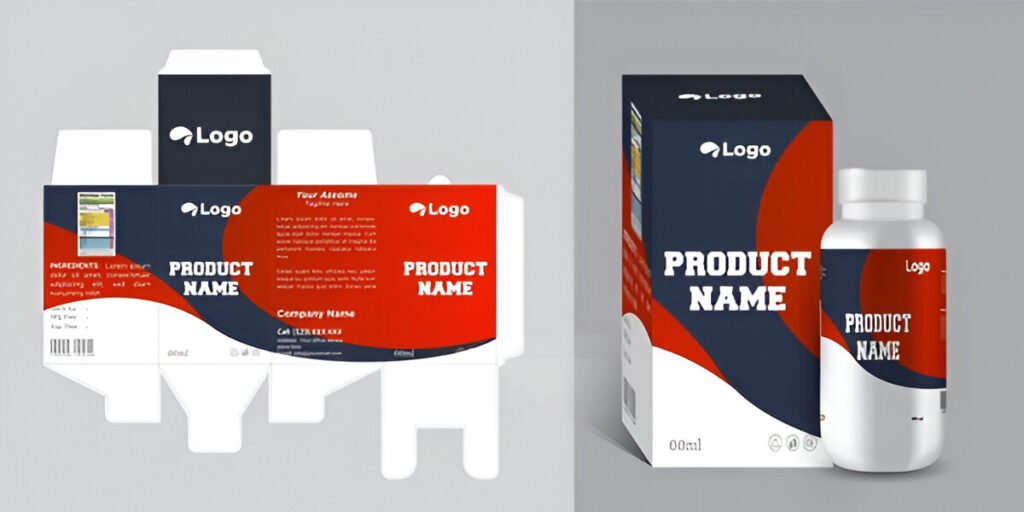
Pharmaceutical cartons often require consistent:
- Printing quality
- Surface properties
- Folding
- Creasing
- Dimensional stability
- Appearance
- Lot traceability
The exact board specification should be based on the customer’s approved packaging specification and production process.
For regulated applications, appropriate compliance documentation should be obtained where required.
Duplex Board for Cosmetic Boxes
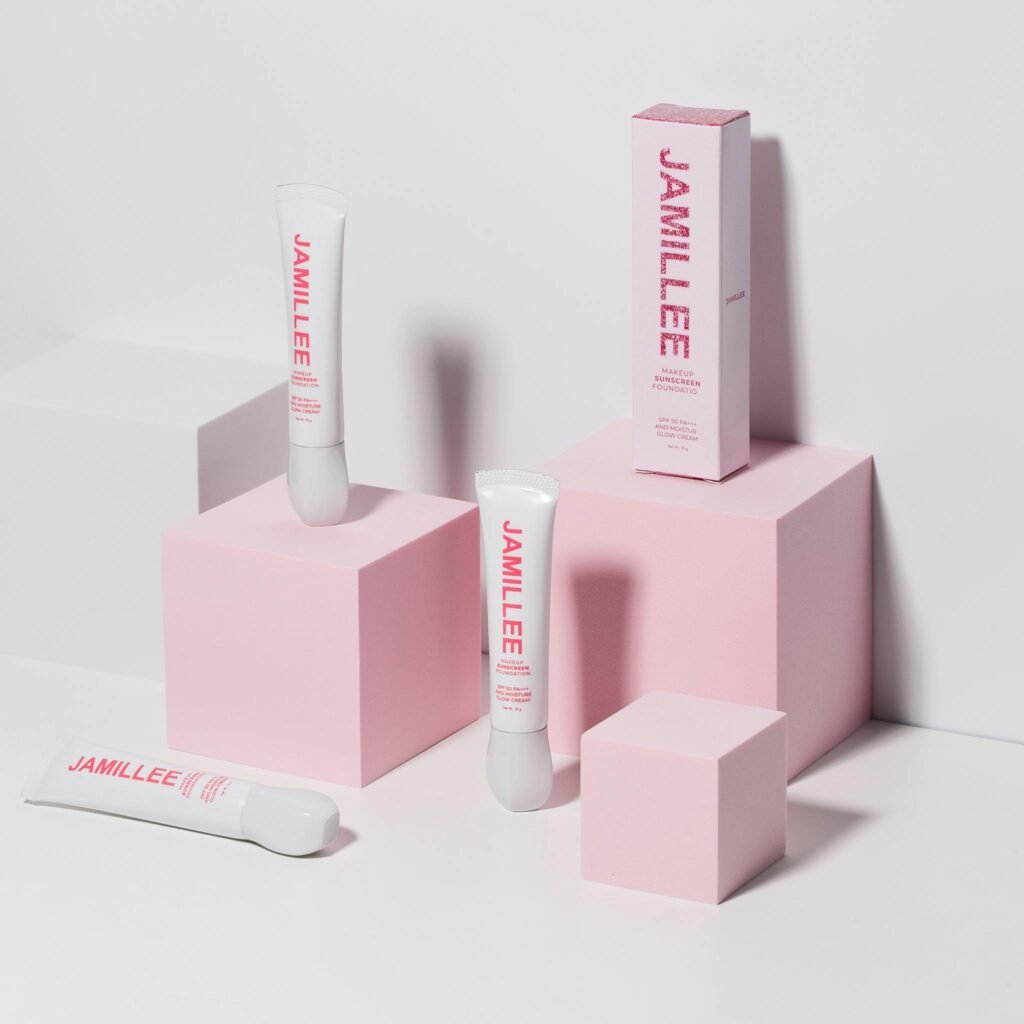
Cosmetic packaging often places greater importance on visual appearance and finishing.
Important properties can include:
- Smoothness
- Brightness
- Whiteness
- Gloss
- Surface quality
- Printability
- UV coating compatibility
- Lamination compatibility
- Foil stamping compatibility
- Embossing compatibility
A higher GSM is not automatically the best choice for premium packaging.
The correct combination of surface quality + stiffness + caliper + finishing compatibility is more important.
Duplex Board for FMCG Cartons

FMCG mono cartons generally require a balance between:
- Printability
- Stiffness
- Folding
- Creasing
- Die cutting
- Surface quality
- Cost
- Production consistency
For high-volume packaging, even a small improvement in board yield or production efficiency can have a significant impact on total packaging cost.
How to Check Duplex Board Quality Before Purchase?
A professional buyer should use a structured inspection process.
Basic incoming inspection checklist:
☐ Confirm supplier and grade
☐ Check GSM
☐ Check caliper
☐ Check moisture
☐ Check shade
☐ Check surface finish
☐ Check coating condition
☐ Check sheet or reel dimensions
☐ Check edge condition
☐ Check quantity
☐ Check batch/lot number
☐ Check MTC
☐ Check transport damage
For critical applications, laboratory testing and/or a controlled production trial may also be appropriate.
What Is an MTC for Duplex Board?
MTC stands for Mill Test Certificate.
An MTC provides technical information associated with a supplied grade or lot.
Depending on the product and supplier, an MTC may contain:
- Grade
- GSM
- Caliper
- Moisture
- Bursting strength
- Cobb value
- Stiffness
- Optical properties
- Production date
- Batch or lot number
- Test method
Important:
A test value should ideally be reviewed together with its test method and specification.
Comparing numbers from different suppliers without checking whether the same test method was used can lead to incorrect conclusions.
Price Per Kg vs Actual Packaging Cost
One of the biggest mistakes in paperboard purchasing is comparing only the price per kilogram.
Suppose Supplier A offers a lower price.
But the material results in:
- Higher wastage
- More printing problems
- More die-cutting waste
- Lower machine speed
- Higher rejection
- More customer complaints
The cheaper board may actually have a higher total cost.
A better purchasing approach is to consider:
Material cost + Freight + Yield + Waste + Rejection + Conversion efficiency
This is why the lowest price per kg is not always the lowest packaging cost.
How to Choose the Right Duplex Board?
Before finalizing a board, ask these questions:
1. What is the application?
Cake box, pharma carton, cosmetic box, FMCG carton or another application?
2. What are the box dimensions?
Large boxes may require different stiffness and structural performance.
3. What printing process is being used?
Offset, flexographic or another printing process?
4. What finishing is required?
Lamination, UV coating, foil stamping or embossing?
5. What are the critical properties?
Stiffness, surface quality, moisture, folding, printing or another parameter?
6. What is the approved sample?
Always maintain a reference sample where practical.
7. Has the board been tested in production?
A production trial can help confirm whether the board works on the actual machine and process.
Duplex Board Buyer Checklist
Before placing a purchase order, confirm:
| Specification | Check |
|---|---|
| Board Type | Grey Back / White Back / Other |
| GSM | ✓ |
| Caliper | ✓ |
| Bulk | ✓ |
| Stiffness | ✓ |
| Moisture | ✓ |
| Cobb | ✓ |
| Surface Quality | ✓ |
| Coating | ✓ |
| Shade | ✓ |
| Sheet/Reel Size | ✓ |
| MTC | ✓ |
| Lot/Batch | ✓ |
| Packaging | ✓ |
| Delivery | ✓ |
Frequently Asked Questions
Is higher GSM always better?
No. Higher GSM does not automatically mean better performance. The correct GSM depends on the application, box construction and required properties.
Is 300 GSM duplex board the same from every supplier?
No. Different mills and grades can have different caliper, bulk, stiffness, moisture, surface and coating characteristics.
Which is better: Grey Back or White Back?
Neither is universally better. The correct choice depends on the application and customer requirement.
What is more important: GSM or thickness?
Both provide different information. GSM indicates basis weight, while caliper indicates thickness. For packaging decisions, stiffness and other performance properties should also be considered.
Can duplex board be used for food packaging?
It can be used for appropriate food-packaging applications, but the exact product, construction and applicable food-contact requirements must be verified for the intended use.
How should duplex board be stored?
Store it in a clean, dry environment, protected from water, excessive humidity, direct floor contact and sudden environmental changes.
Final Takeaway
Choosing duplex board is not simply about finding the lowest GSM or lowest price.
A better purchasing decision considers:
GSM + Caliper + Bulk + Stiffness + Strength + Moisture + Surface + Coating + Printing + Converting + Application + Total Cost
The right board can help improve printing quality, production efficiency, finished-box performance and customer satisfaction.
At MI Enterprises, we focus on application-based duplex board sourcing for packaging requirements and help buyers evaluate the right specification instead of comparing price alone.
Looking for the right duplex board for your packaging application?
Share your application, required GSM, box size, sheet/reel size and approximate quantity with our team to discuss a suitable specification.
Pingback: How to Choose Duplex Board GSM? Complete Buyer Guide 1
GSM stands for Grams per Square Metre. for more insights read our next blog